Dealing with fly-tipping and bulky waste in Paddington
Posted on 18/06/2026

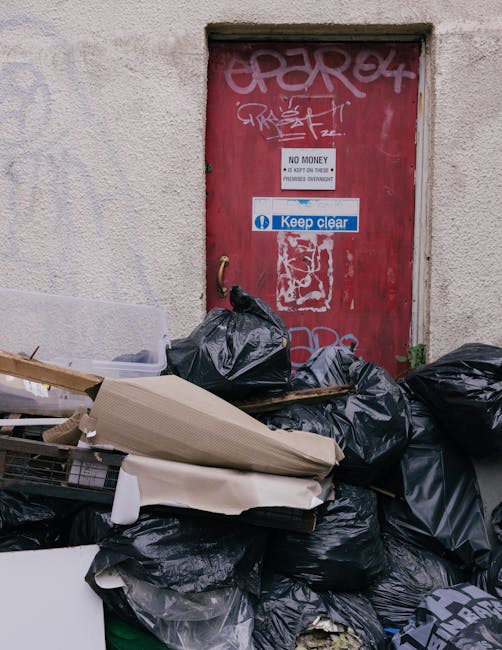
If you live or work in Paddington, you already know how quickly a tidy street can be spoiled by an abandoned sofa, a broken wardrobe, or a pile of mixed rubbish left near a bin store. Dealing with fly-tipping and bulky waste in Paddington is not just about clearing an eyesore. It is about keeping shared spaces safe, making access easier for neighbours, and avoiding the kind of knock-on problems that turn a small mess into a bigger headache. This guide walks you through what counts as bulky waste, how fly-tipping is usually handled, what to do first, and how to choose a sensible disposal route without making life harder for yourself.
Why Dealing with fly-tipping and bulky waste in Paddington Matters
Paddington is a busy part of London. Flats, mansion blocks, terraces, offices, managed properties, short-let turnovers, and constant move-in move-out activity all create one thing in common: unwanted items build up quickly. A mattress on a pavement, a damaged fridge left beside a kerb, or a stack of renovation offcuts in a communal hallway can create immediate inconvenience. It blocks footpaths, attracts extra waste, and often gets moved around rather than dealt with properly.
Fly-tipping is different from ordinary bulky rubbish. Bulky waste is waste that is too large for everyday household bins, while fly-tipping is the illegal dumping of waste in a place it should not be. In practice, the two can overlap. A landlord clearing a flat, a tenant leaving behind furniture, or a business trying to save time might all contribute to waste appearing where it should not. The problem is not only visual. It can create pest issues, trip hazards, and friction between neighbours. To be fair, nobody wants to open the front door and see a soggy mattress leaning against the railings at 7am.
There is also a local character to the issue. Paddington's streets can be narrow, loading space is limited, and access can be awkward around busy roads and station traffic. That makes "I'll sort it later" a risky plan. Waste left out too long tends to become a magnet for more waste. One bag becomes three. One chair becomes a pile. You know how it goes.
For residents, building managers, and businesses, handling bulky waste properly is part of looking after the area. It helps keep communal entrances clear, protects a property's appearance, and reduces the chance of complaints. If you are planning a larger move or a full property clear-out, it is worth reading practical guidance alongside related services such as house removals in Paddington or flat removals in Paddington, because bulky waste often appears at the same time as a move.
How Dealing with fly-tipping and bulky waste in Paddington Works
The basic process is straightforward, but the details matter. First, identify what kind of waste you are dealing with. Is it a one-off sofa that no longer fits the room? A pile of mixed items from a flat clearance? Or waste dumped by an unknown person outside your building? The answer changes the next step.
For everyday bulky household items, the normal route is to arrange a lawful collection or take items to an authorised disposal point through a suitable waste service. For fly-tipped waste on private land, the property owner, landlord, or managing agent usually has the practical responsibility to arrange removal. If the waste is on public land, reporting it promptly is the right first step, but do not assume it will disappear instantly. Sometimes it is quick; sometimes it needs follow-up. That delay can be frustrating, but the important part is not to add more waste to the pile.
There is a useful distinction to keep in mind:
- Bulky waste = large items that need a special collection or disposal arrangement.
- Fly-tipping = waste dumped illegally in a public or unauthorised place.
- Clearance waste = mixed items from a move, renovation, office change, or property turnover.
In Paddington, access and timing are often the deciding factors. A collection that works neatly on paper can become awkward in real life if there is no lift, if parking is tight, or if the items are on an upper floor. That is why people often choose a man and van service in Paddington or a broader removal service in Paddington when bulky items need to be carried, loaded, and moved out in one go.
In many cases, the smoothest approach is to combine uplift, sorting, and transport. That avoids multiple trips, reduces the chance of items being left on the street, and gives you a clean finish rather than a half-done job. Honestly, half-done waste jobs are where most problems start.
Key Benefits and Practical Advantages
When bulky waste is handled properly, the benefits are immediate and obvious. But there are also quieter advantages that people only notice later.
- Cleaner shared spaces: hallways, forecourts, and bin areas stay usable.
- Lower nuisance risk: less chance of pests, odours, and stray rubbish spreading.
- Better property presentation: important for landlords, agents, and anyone welcoming visitors or tenants.
- Safer access: fewer trip hazards near front doors, stairwells, and kerbs.
- Less stress during moves: clearing waste at the right time makes the rest of the move easier.
- Better compliance mindset: you avoid the kind of shortcuts that can lead to penalties or complaints.
There is a commercial side too. Businesses in Paddington often need fast, discreet clearance when offices change layout, close down a floor, or replace old furniture. In those cases, the right setup is not just "someone with a van". It is a service that can handle lifting, timing, and access without disrupting neighbours or building operations. Related options like office removals in Paddington and furniture removals in Paddington can be useful when bulky waste is part of a wider clearance rather than a simple one-item job.
Expert summary: the best bulky waste solution is usually the one that removes items once, properly, and without creating a second problem outside the building. If you can avoid temporary dumping, you usually avoid the messiest outcomes too.
Who This Is For and When It Makes Sense
This topic is relevant to far more people than just landlords or property managers. In Paddington, bulky waste turns up in lots of everyday situations.
Typical situations where you may need help
- You are replacing a sofa, bed, wardrobe, or table and the old item has no easy disposal route.
- You are clearing a flat after a move and there is a mix of unwanted furniture, boxes, and damaged items.
- You manage a rental property and need a quick turnaround between tenants.
- You run an office and old desks, chairs, or filing units are taking up space.
- You have found fly-tipped waste near your property and need it removed safely.
- You need a same-day or near-same-day solution because communal access is blocked.
Students and short-term tenants often face this too. A small flat can fill up surprisingly fast with a mattress, a broken desk, and a few bags that never made it to the right place. That is one reason student removals in Paddington can be more useful than people expect. There is often a lot more to move than the final lease inventory suggests.
It also makes sense for households doing a broader declutter. If you are not sure what to keep and what to send out, pairing waste removal with storage in Paddington can buy you time. Not everything needs to be decided in one afternoon, even if the deadline says otherwise.
Step-by-Step Guidance
If you want to deal with bulky waste or fly-tipped items without creating extra hassle, a calm step-by-step process works best.
- Identify the waste type. Separate bulky household items from mixed waste, hazardous items, and anything that may need special handling.
- Check ownership and responsibility. If the waste is on private land, confirm who is responsible for arranging removal. If it is on public land, report it rather than moving it yourself unless it is safe and appropriate to do so.
- Sort what can be reused or recycled. Good items should not be sent to landfill by default. A table, chair, or cabinet may be suitable for reuse if it is in decent condition.
- Measure access. Stair width, lift size, parking, and loading points matter more than people think. A quick tape-measure check can save a failed visit.
- Choose the right service type. For one item, a small collection may be enough. For multiple items or awkward access, a more flexible vehicle and team is often better.
- Book a sensible time slot. Early mornings or quieter windows can reduce disruption, especially in a busy area like Paddington.
- Prepare the items. Remove drawers, empty contents, detach loose parts, and keep pathways clear.
- Confirm what will happen to the waste. Ask whether items will be reused, recycled, or disposed of through proper channels.
- Do a final sweep. Small fixings, broken glass, screws, and bits of packaging are easy to miss.
- Keep records if you manage property or business premises. A quick note or photo can help if questions come up later.
If the items are especially bulky, there may be practical issues around stairs or tight turns. That is where planning matters. A useful read for difficult access is whether sofas can be moved up Paddington's narrow stairs. It is a very specific problem, but in Paddington, specific problems happen a lot.
Expert Tips for Better Results
Small decisions make a surprisingly big difference here. In our experience, the jobs that go smoothly are usually the ones that are prepared properly, even if they look simple at first glance.
- Separate waste before collection day. Mixed piles slow everything down and make reuse harder.
- Keep items dry if possible. Damp furniture is heavier, messier, and less likely to be reusable.
- Take photos of fly-tipped waste immediately. This can help if you need to report it or clarify access later.
- Prioritise communal access points. In shared buildings, a blocked hallway becomes everybody's problem very fast.
- Choose collection timing around traffic and neighbours. A quiet slot can reduce stress more than a rushed one.
- Ask about sustainability practices. Not every clearance is equal. Some items can be diverted away from disposal if they are suitable.
- Bundle related jobs together. If you are moving house, clearing waste, and packing at the same time, one coordinated plan is usually better than three separate ones. If you need packing support, packing and boxes in Paddington can help reduce the usual last-minute scramble.
One small but important tip: if the waste is outside and the weather is wet, do not leave it sitting around "until tomorrow". In Paddington, a wet cardboard pile near a bin store can go from manageable to horrible pretty quickly. Smells, soggy corners, the lot. Not glamorous, but real.
Common Mistakes to Avoid
Most problems with fly-tipping and bulky waste are preventable. They usually come from trying to save time or assuming someone else will sort it out.
- Leaving items beside bins without checking collection rules. This often leads to the waste being treated as dumped, even if you meant well.
- Mixing furniture with general rubbish. It makes recycling harder and can increase collection complexity.
- Ignoring access issues. A van cannot magic its way through a locked service gate or a staircase that is too tight.
- Not confirming responsibility in shared properties. In a block or converted house, ownership and duty can be confusing.
- Assuming all providers handle waste the same way. Good operators should be clear about what they can take and how they handle it.
- Using informal dumping arrangements. If someone says they will "just take it somewhere", ask where. Gently, but ask.
- Waiting too long after a move. Waste piles grow in the gaps between decisions.
There is also a paperwork mistake that people overlook: not keeping any proof of lawful collection or transfer when it matters. For landlords, offices, and managed buildings, that can become awkward later. Simple records are boring, yes, but very useful.
Tools, Resources and Recommendations
You do not need a huge toolkit to manage bulky waste well. You mainly need a sensible process and a few basic items.
- Gloves: useful for sharp edges, dust, and general handling.
- Mask or face covering: sensible if waste is dusty, mouldy, or being moved from storage.
- Strong bags and tape: handy for loose fixings and smaller waste.
- Measuring tape: essential for stairwells, doorways, and lift access.
- Camera phone: good for documenting fly-tipped waste or before-and-after conditions.
- Simple inventory list: helpful if several people are involved in a clearance.
On the service side, a few related site pages can be useful depending on what you are dealing with. If the job is small and flexible, man with a van Paddington and man with van Paddington are often worth comparing. If the job is more structured or you need a larger move, removals Paddington and removal van Paddington may be more appropriate.
For readers wanting a wider picture of the area and common moving pressures, it can also help to look at local context in a comprehensive Paddington area guide and local insights on whether Paddington is ideal. The point is not just curiosity. The area's layout affects how waste is handled.
Law, Compliance, Standards, or Best Practice
This is the section people often skim past and then regret later. You do not need to become a legal expert, but you do need to understand the basics.
Fly-tipping is unlawful. Bulky waste should be dealt with through lawful collection, proper transfer, or an authorised disposal route. In practical terms, that means you should not leave items in a place that is not meant for them, and you should be careful about who collects them on your behalf. A cheap shortcut can become an expensive problem if waste is dumped illegally after collection.
For households, the safest best practice is simple: use a provider that can explain what happens to the waste, keeps things clear, and does not encourage informal dumping. For businesses and landlords, the standard is higher. You should be able to show reasonable care in how waste is removed, especially where shared access, tenant turnover, or office clearances are involved.
There are also health and safety considerations. Heavy items can cause injury if they are lifted badly or carried through tight stairs without planning. Glass, metal, broken wood, and contaminated items require extra caution. If you are unsure, it is usually better to pause and ask for help than to wing it. That one is worth saying twice.
Best practice in Paddington usually looks like this:
- clear communication about what is being removed;
- proper access planning;
- safe lifting and loading;
- responsible disposal or recycling where possible;
- avoidance of public obstruction;
- records for business and property management use.
If you want reassurance on the operational side, pages such as health and safety policy, insurance and safety, and recycling and sustainability show the kind of standards a responsible service should be able to discuss clearly.
Options, Methods, or Comparison Table
Different waste situations need different methods. Here is a straightforward comparison to help you choose.
| Option | Best for | Pros | Trade-offs |
|---|---|---|---|
| Self-managed disposal | Small, manageable items and people with time and transport | Direct control, simple for one-off items | Requires lifting, transport, and knowledge of where items can go |
| Bulky waste collection | Large household items or a few items needing removal | Convenient, less physical effort | Needs booking and access planning |
| Removal team with vehicle | Multiple items, awkward access, or mixed clearance jobs | Faster, more flexible, suitable for stairs and tight spaces | Usually more involved to arrange |
| Full clearance service | End-of-tenancy, office, or probate-style clearances | Handles volume, sorting, and loading in one go | Can be more than you need for a single item |
In real life, many Paddington jobs sit between the categories. For example, a tenant moving from a small flat might need one old bed removed, some packaging cleared, and a few items taken to storage. In that case, a combination of flat removals in Paddington and storage in Paddington can solve more than one problem at once. That is usually better than trying to force everything into a single "waste" bucket.
Case Study or Real-World Example
Here is a realistic example, not a perfect glossy one.
A small managed block near a busy Paddington street had a familiar issue: a tenant had moved out quickly, the next tenant was due in shortly after, and an old sofa, broken bedside table, and a few loose bags of mixed clutter had been left in the communal area. Nothing dramatic, but enough to create frustration. The building manager wanted the entrance clear before the weekend because deliveries were due and the hallway was already tight.
The first step was simply to sort the items into categories. The sofa was bulky but reusable only if someone wanted it in its current condition. The table was damaged. The bags were mixed waste. Once the access was checked, the removal plan was arranged for a quieter morning slot, so the item move did not clash with resident foot traffic or deliveries. A small team handled the stairwell, loading, and final sweep. The result was not just a cleared hallway. It was less tension all round, because nobody had to keep asking whose job it was.
That sort of job is common in Paddington. Sometimes it is a one-off sofa. Sometimes it is a slightly chaotic mix after a fast move. Sometimes it is a landlord trying to reset a flat on a tight deadline. The practical lesson is the same: deal with the waste early, and the rest of the job becomes much easier. A bit dull, maybe, but true.
Practical Checklist
Use this checklist before arranging removal or reporting fly-tipped waste.
- Identify whether the waste is bulky, mixed, reusable, or potentially hazardous.
- Confirm whether it is on private or public land.
- Take photos if the waste has been dumped illegally.
- Measure access points, stairs, and lifts.
- Clear the route from the item to the exit.
- Separate reusable items from rubbish where possible.
- Check whether the job needs same-day action.
- Choose a lawful removal option that suits the volume.
- Ask how items will be handled after collection.
- Keep a simple record if you are managing property or business premises.
If your project is more of a move than a disposal issue, related help such as same-day removals in Paddington can be useful when timing is tight, and same-day emergency removals availability gives a sense of what to think about when speed matters more than anything else.
One-line reality check: if it feels messy now, it usually gets messier tomorrow.
Conclusion
Dealing with fly-tipping and bulky waste in Paddington is really about staying ahead of small problems before they become public ones. A sofa left in a stairwell, a pile of mixed rubbish beside a block, or a dumped mattress on the pavement may seem minor at first, but these things can quickly affect safety, access, and the overall feel of a street. The good news is that a sensible plan, a lawful collection route, and a little attention to access will solve most situations without drama.
Whether you are a resident clearing a flat, a landlord turning over a property, or a business dealing with old furniture and unwanted items, the same principle applies: plan it properly, move it once, and do not leave the job half-finished. Paddington is too busy for that anyway.
Get a free quote today and see how much you can save.
And if you are standing in front of a pile of unwanted stuff right now, take a breath. It is fixable. Properly fixable.